
How to Build a Morning Routine That Builds Confidence and Discipline
It Was Never About 5 AM
“There’s no such thing as a loser who wakes up at 5 AM.” — Sahil Bloom
The first time I read that quote, it stopped me. Not because I suddenly wanted to set a 5 AM alarm, but because I understood what it was really pointing to.
Waking up early is not about the time. It is about ownership.
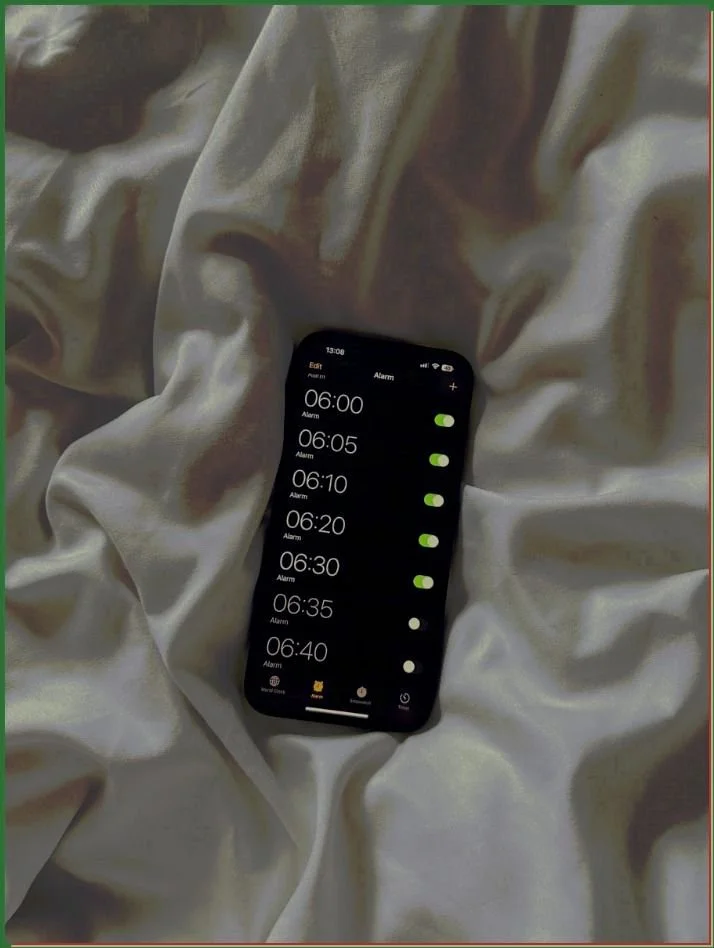
When I look back at the seasons of my life when I felt my strongest, mentally clear, disciplined, emotionally steady, they all had one thing in common. I owned my mornings.
Before work, I was in the gym. Before emails, I moved my body. As a therapist, before I held space for anyone else, I chose to show up for myself and do something hard.
Over time, something subtle began to change.
I respected myself more. Not from the workout itself, but because I kept a promise to myself before the world had a chance to interrupt.
That early effort, that quiet discipline, shifted how I showed up in every room I walked into.
I made decisions with more clarity instead of second guessing myself for hours. I started walking into rooms full of people without that underlying social anxiety, without constantly wondering if I was enough or if I truly belonged there.
I stopped replaying conversations in my head. Did I say that right? What are they going to think of me? I stopped assuming everyone was judging me.
Because at the end of the day, I had built a reputation with myself rooted in self-respect and follow-through.
The confidence did not come from aesthetics or body image. It came from evidence.
Evidence that I could do hard things. Evidence that I could follow through. Evidence that when I set my mind to something, I showed up.
That kind of confidence is earned privately, and it changes everything publicly.
Why You’re Not Lazy, You’re Depleted
There is a practical reason mornings matter.
By the end of the day, you are more depleted than you were when it began.
Before dinner, you have already made hundreds of micro decisions. You have answered emails, managed expectations, solved problems, adjusted your tone in meetings, navigated personalities, responded to texts you did not even want to answer.
Your brain is tired. This is decision fatigue.
If you live in a place like New York, where everything moves fast and everyone wants something from you, that fatigue compounds quickly. The city does not slow down. Your inbox does not slow down. The expectations do not slow down.
So when you tell yourself you will work out after work, or finally start that project at night, or plan your week before bed, and you do not follow through, it is not laziness.
It is depletion. And that makes sense. So be careful not to turn exhaustion into a character flaw.
I see this pattern all the time with my clients. They miss the workout or the goal, and then the spiral begins. They question their discipline. They judge themselves. The negative self talk gets louder.
A consistent morning routine interrupts that cycle.
In the morning, your mind is clearer. Your willpower is intact. Your nervous system has not yet absorbed the pressure of the day.
When you use that window intentionally, you are not just completing a task. You are protecting your energy before it gets fragmented.
I see this constantly. The clients who build even a small, consistent morning practice show up steadier. They feel less anxious. Their mood improves. Even seasonal dips soften. They trust themselves more. They feel stronger mentally and physically.
Morning discipline is not about being extreme. It is about being strategic.
If you do not set the tone early, the day will set it for you.
Your Morning Starts the Night Before
Here is the part most people skip.
Your morning routine does not begin with your alarm. It begins the night before.
If you are up late scrolling, watching one more episode, on FaceTime, half planning tomorrow in your head but never actually deciding, falling asleep overstimulated, of course, waking up early feels impossible.
Of course you hit snooze.
Then you shame yourself for a result you unintentionally designed.
I see this pattern constantly. People tell me they want discipline. They want to feel mentally strong. They want better mornings. Yet their evenings are chaotic and unprotected.
You cannot expect an intentional morning from a reactive night.
If you truly want to change your mornings, it requires trade offs. It means choosing sleep over scrolling and preparing for tomorrow instead of emotionally escaping from today.
You have to get comfortable with that tension. Every meaningful shift comes with trade offs, and often it is the discomfort of those trade offs that keeps people stuck.
The clients who feel the most scattered usually go to sleep after midnight and wake up already behind. By the time their day begins, they are reacting instead of leading.
When we create structure together, the shift does not come from motivation. It comes from design.
But the real resistance is rarely logistical. Most people know what to do. The hard part is emotional.
Scrolling at night is not just a habit. It is escape. It is decompression. It is the only time some people feel off the hook. I understand that deeply.
Staying up late can feel like taking back control after a day of giving to everyone else. It feels like your time. But over time, it quietly pulls you further away from the life you say you want.
So when we protect your evening routine and prioritize real sleep, we are not just building discipline. We are asking harder questions.
What are you actually avoiding when you keep yourself stimulated?
What feels hard about shutting the day down?
What would it mean to fully step into tomorrow?
Yes, there are sacrifices. Growth always requires them.
The real question becomes simple.
Would you rather scroll through someone else’s life at night, or wake up and lead your own?
The Identity You Build in Private
Once I took ownership of my mornings, my life did not suddenly become easier. It became steadier.
Waking up early was never about the hour. It was about creating space before the world started pulling at me. It was about keeping one promise to myself before I responded to everyone else.
That small decision changed how I moved through everything. I was less reactive. Less anxious. Less dependent on external validation. I trusted myself more because I had evidence, built quietly and consistently.
The time itself does not matter. The ownership does.
Over time, that consistency reshapes identity. You stop seeing yourself as someone who is trying to get it together. You start seeing yourself as someone who leads their own life.
I have lived that shift. I have felt the difference between waking up scattered and waking up anchored. That is why I care about this so much.
You do not need a dramatic overhaul. You do not need a perfect routine. You need one intentional shift. A protected night. A steadier morning. A decision to stop living in reaction mode.
I work with people who carry a lot. People who are capable, driven, and used to holding everything together. Most do not need more productivity. They need space. Space to think clearly. Space to regulate their nervous system. Space to build a stronger relationship with themselves.
That is the work.
If this stirred something in you, whether it felt exciting or uncomfortable, that usually means it matters.
You are always welcome to reach out.
Let’s Keep Growing: What’s Next For You
Thank you for being here!
If this sparked something for you, I’d love to hear it. You can email me at ellin@mentallyfitwithellin.com. And if you enjoyed this read, the best compliment you could give is to share it with one person.
If you’re new here or my thoughts from this week really resonated with you, I’d love to talk more. Community is everything to me, and my 10-minute community chats throughout the week are something I always look forward to. Here’s the link to set one up!

Mentally Fit With Ellin is a community of thousands of like-minded people committed to growth, resilience, and mental performance. As a licensed therapist and performance coach, Ellin Gurvitch started this to give everyone access to the tools needed to develop sustainable habits and enhance mental well-being. For more Mentally Fit With Ellin, make sure you’re subscribed so that each week you’ll receive practical mindset tools and performance strategies delivered to your inbox.
